Pediatric Orthodontist: Early Treatment, Braces & Parent FAQs
Children rarely complain about crooked teeth, bite issues, or crowded smiles the way adults do. In fact, many orthodontic concerns develop gradually, making them easy for parents to miss during the early years.
A child may seem to chew normally, smile confidently, and have no obvious dental problems. Meanwhile, permanent teeth may be coming in with limited space, a jaw may be developing unevenly, or habits like thumb sucking and mouth breathing may be affecting long-term oral health.
This is why many parents are surprised when an orthodontist recommends an evaluation around age 7. The recommendation is not because every child needs braces that young. It is because some orthodontic issues are much easier to guide while a child is still growing.
A pediatric orthodontist focuses on identifying those concerns early and determining whether a child would benefit from treatment now, later, or simply careful monitoring over time.
In this guide, you'll learn what a pediatric orthodontist does from an expert’s point of view: Dr. Sarah Pavon Groy, founder-owner of Dr. Sarah Orthodontics & Aesthetics. Learn also when children should first see an orthodontist, how braces and other treatment options work, and what parents can realistically expect throughout the process.
Discover the answers to many of the questions families commonly ask when deciding how and when to support their child's developing smile!
What is a pediatric orthodontist?
According to Dr. Sarah Groy:
“A pediatric orthodontist focuses on guiding the growth and development of a child's teeth, jaws, and bite.”
While orthodontists treat patients of all ages, those who work extensively with children understand how a growing smile changes over time and how to intervene when necessary.
“Many parents associate orthodontics with braces during the teenage years. In reality, orthodontic care often begins much earlier. Some concerns can be identified while baby teeth are still present, allowing treatment to be timed more effectively and, in some cases, reducing the complexity of future care.” - Dr. Sarah.
The goal is not always to start treatment right away. Sometimes, the most valuable service a pediatric orthodontist provides is monitoring growth and helping parents understand what to expect as permanent teeth begin to emerge.
What does a pediatric orthodontist do?
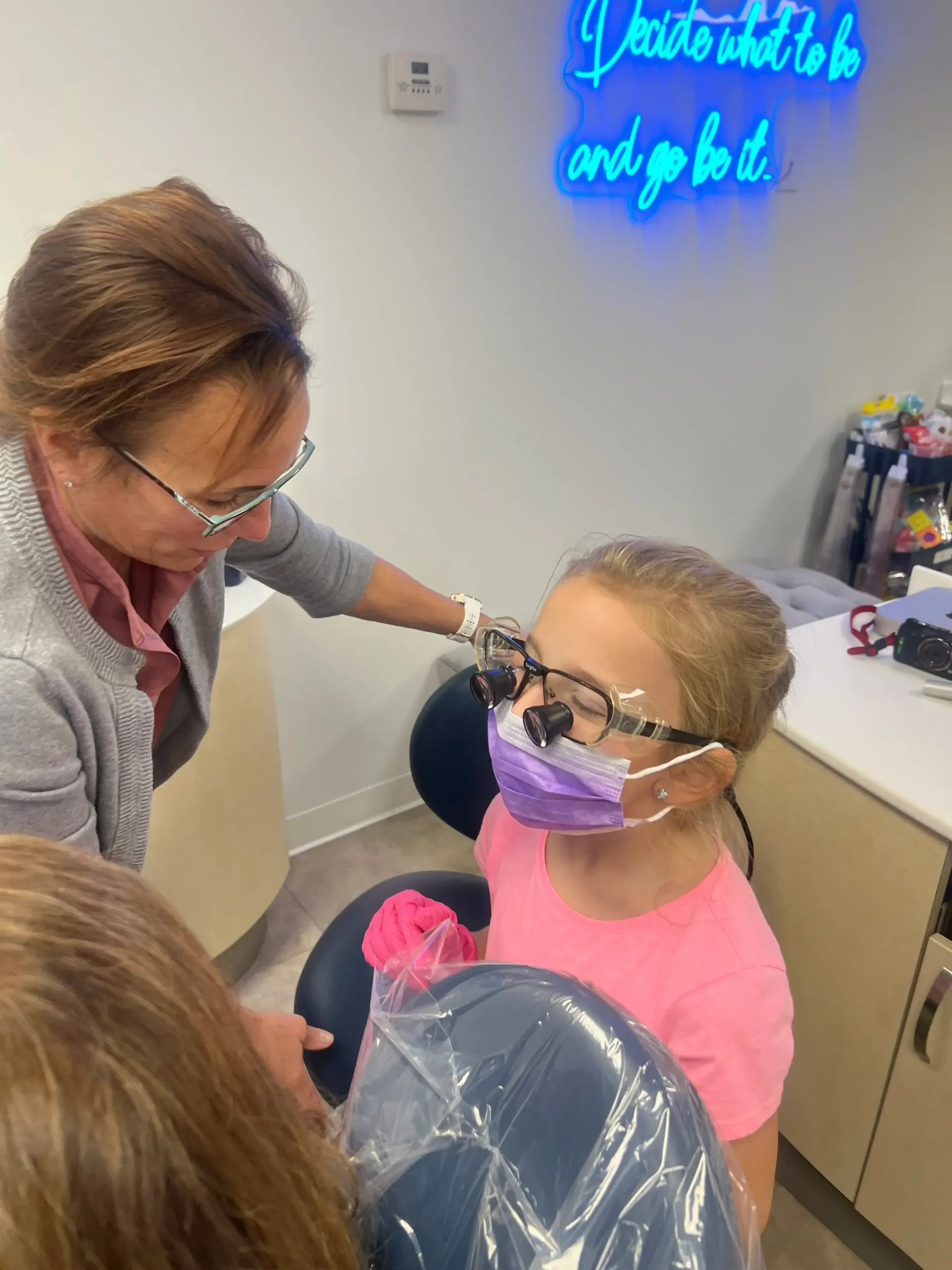
A pediatric orthodontist evaluates how a child's teeth and jaws are developing and determines whether any orthodontic concerns require attention.
During an evaluation, they may look for:
- Crowded or overlapping teeth
- Bite problems, such as overbites, underbites, and crossbites
- Jaw growth discrepancies
- Early or delayed loss of baby teeth
- Habits that can affect development, such as thumb sucking or prolonged pacifier use
Depending on what they find, the recommendation may include:
- Continued monitoring
- Early orthodontic treatment (Phase 1 treatment)
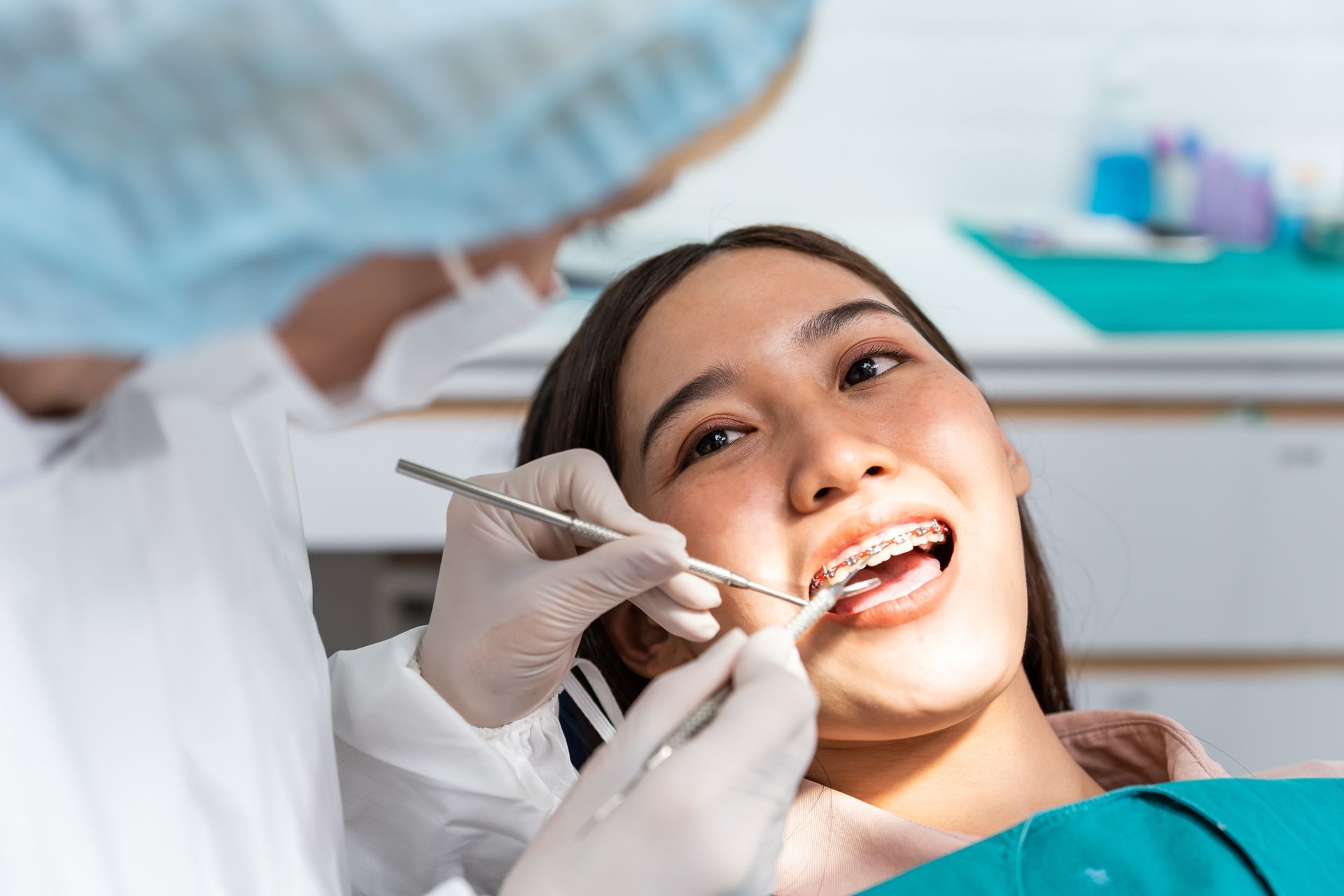
- Braces at a later age
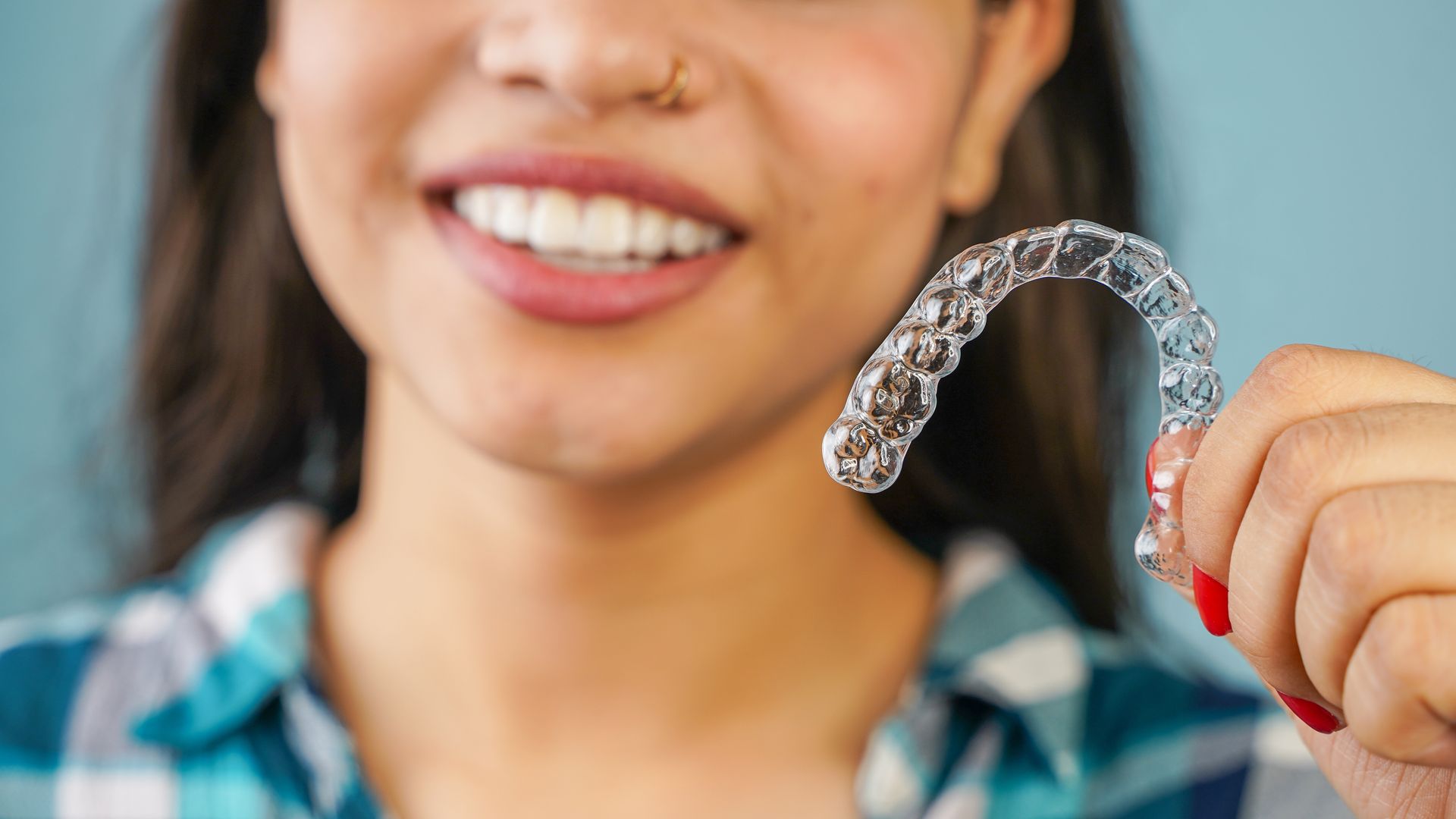
- Clear aligners for eligible patients
- Retainers or space maintainers
One of the biggest misconceptions parents have is that every orthodontic visit leads to braces. In many cases, a child's first appointment simply establishes a baseline and allows the orthodontist to track growth over time.
Is a pediatric orthodontist different from a pediatric dentist?
Yes. Although both professionals work with children, they focus on different aspects of oral health.
A pediatric dentist specializes in:
- Preventive dental care
- Cleanings and exams
- Fillings and cavity treatment
- Fluoride treatments
- Monitoring overall dental health
A pediatric orthodontist specializes in:
- Tooth alignment
- Bite correction
- Jaw development
- Braces and aligners
- Long-term orthodontic planning
Think of it this way: a pediatric dentist helps keep your child's teeth healthy, while a pediatric orthodontist helps ensure those teeth fit together properly as your child grows.
The two professionals often work closely together. A pediatric dentist may be the first to notice crowding, bite concerns, or developmental issues and recommend an orthodontic evaluation.
If you live in Virginia Beach, scheduling both regular dental visits and timely orthodontic evaluations can help identify potential concerns before they become more difficult to correct later on.
At what age should a child first see an orthodontist?
Many parents assume orthodontic evaluations should wait until all permanent teeth have come in. In reality, the American Association of Orthodontists recommends that children have their first orthodontic evaluation by age 7.
That recommendation often surprises families because most 7-year-olds still have a mix of baby teeth and permanent teeth.
The reason is simple. By this age, enough development has occurred for an orthodontist to identify concerns such as:
- Crowding
- Crossbites
- Underbites
- Overbites
- Jaw growth issues
- Problems with tooth eruption
This does not mean treatment will begin at age 7. Most children will simply be monitored until the timing is right. An early evaluation allows orthodontists to watch growth patterns and intervene only when it provides a meaningful benefit.
When should my child see an orthodontist?
Dr. Sarah Groy recommends:
“While age 7 is a good benchmark, some children benefit from an evaluation even earlier if certain signs are present.”
You may want to schedule an orthodontic consultation if your child:
- Loses baby teeth very early or very late
- Has difficulty chewing or biting
- Frequently breathes through their mouth
- Has crowded, overlapping, or blocked-out teeth
- Experiences jaw shifting when opening or closing
- Has a noticeable overbite, underbite, or crossbite
- Continues thumb sucking beyond the toddler years
Parents often notice one of these concerns during routine daily activities, whether it is while helping with brushing, looking through family photos, or hearing comments from a dentist.
If you live in Virginia Beach, an early orthodontic evaluation can provide peace of mind even if no treatment is needed. Sometimes the most reassuring answer is learning that your child's development is progressing normally.
The best age for a child to get braces
There is no single "perfect" age for braces because every child's smile develops differently.
For many children, braces are placed between the ages of 10 and 14. During this stage:
- Most permanent teeth have erupted
- The jaw is still growing
- Teeth tend to move more efficiently than they do later in life
This timing often allows orthodontists to achieve predictable results while taking advantage of natural growth.
That said, some children benefit from earlier treatment. Others may not need braces until their mid-teen years. The right timing depends on factors such as crowding, bite alignment, jaw growth, and overall dental development.
Why are kids getting braces so early now?
Many parents feel like children are starting orthodontic treatment younger than they did a generation ago. In many cases, that perception comes from a growing understanding of how childhood development affects long-term orthodontic health.
Researchers have identified several factors that can influence jaw growth and tooth alignment during childhood, including prolonged thumb sucking, mouth breathing, and certain bite development patterns. Studies have shown that these habits and conditions can contribute to issues such as crossbites, open bites, and crowding if left unaddressed.
Another reason parents are seeing younger children in orthodontic offices is that dental professionals are identifying developmental concerns earlier.
“Regular dental visits often reveal bite issues long before all permanent teeth have erupted, allowing orthodontists to monitor growth and intervene when appropriate.” - Dr. Sarah Groy
That does not mean more children are receiving full braces at age 7. In many situations, orthodontists are simply tracking development or using limited treatment to guide jaw growth, create space for incoming teeth, or correct bite problems before they become more difficult to treat later.
This shift reflects a broader focus on prevention and early guidance rather than waiting for problems to become more severe.
Is it common for 7-year-olds to get braces?
Most 7-year-olds do not need full braces.
What is common is having an orthodontic evaluation at that age. During the visit, the orthodontist determines whether:
- No treatment is needed
- Monitoring is recommended
- Early intervention would be beneficial
Some children may receive partial braces, expanders, or other appliances if a specific issue is affecting growth or development. Others simply return for periodic checkups while their permanent teeth continue to emerge.
Will my 7-year-old's teeth straighten?
Sometimes they will.
As children grow, their jaws develop, and additional permanent teeth erupt. Mild spacing or alignment concerns can improve naturally over time.
However, not every issue corrects itself. Crowding, bite problems, and jaw discrepancies often require professional monitoring to determine whether treatment will eventually be necessary.
This is one reason orthodontists prefer to evaluate children early. It allows them to distinguish between changes that are likely to resolve naturally and those that may benefit from intervention.
How often should a child go to the dentist?
According to Dr. Sarah, “most children should visit the dentist every six months for routine exams and cleanings. These appointments help monitor oral health, prevent cavities, and identify potential concerns before they become larger problems.”
And she continues:
“Regular dental visits also play an important role in orthodontic health. Dentists are often the first professionals to notice signs of crowding, bite issues, or jaw development concerns that may warrant an orthodontic evaluation.”
Dr. Brendan Mudge (Bloomberg Dental) agrees with this statement. According to him, the vast majority of kids need their teeth checked and professionally cleaned every six months:
“At that stage, we can check the gums, ensure that oral hygiene is okay, and motivate them if they are missing spots in the back. We can also check the risk of decay and prevent it if necessary. This helps build rapport and a lifelong relationship. The better the baby teeth are, the better the adult teeth will be.”
Depending on your child's needs, a dentist may recommend more frequent visits. Factors that can influence the schedule include:
- A history of cavities
- Orthodontic treatment in progress
- Oral hygiene challenges
- Certain medical conditions that affect oral health
Think of routine dental visits as progress checks for your child's developing smile. Even when everything appears healthy, these appointments provide valuable opportunities to monitor growth and catch concerns early.
How to prepare your child for the dentist?
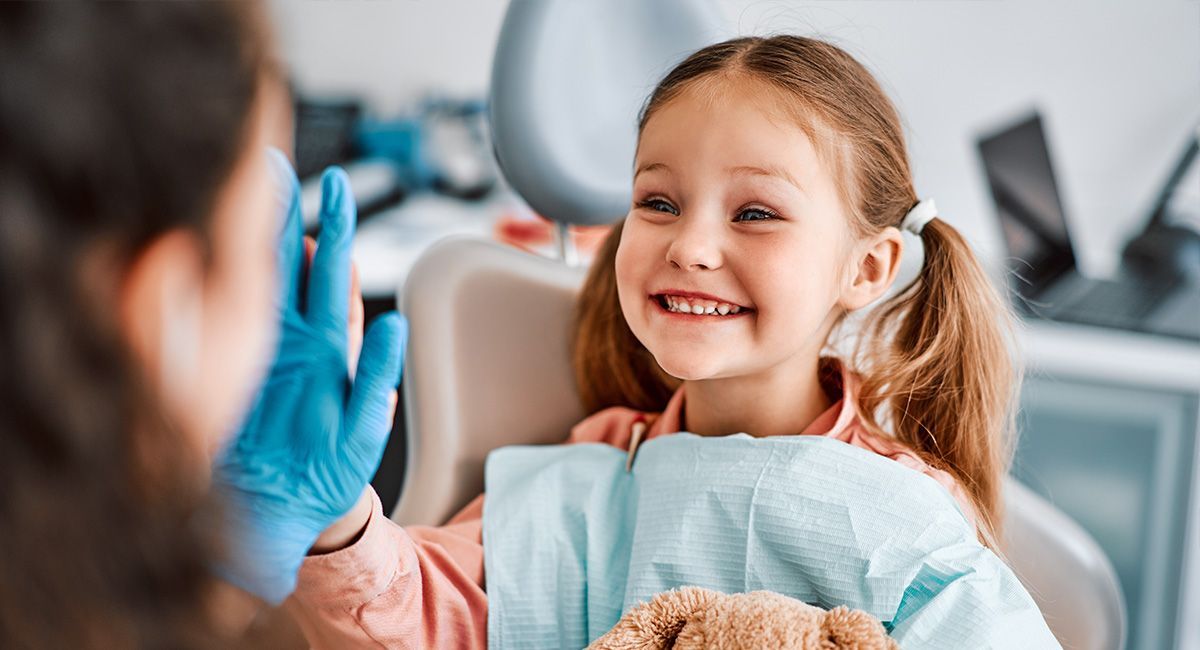
A child's attitude toward dental visits often begins long before they sit in the chair. A little preparation can help reduce anxiety and make the experience more positive.
Some helpful strategies include:
- Talk about the visit in a calm, positive way
- Avoid using words that sound scary or intimidating
- Explain what will happen using simple language
- Read children's books about visiting the dentist
- Schedule appointments at times when your child is well-rested
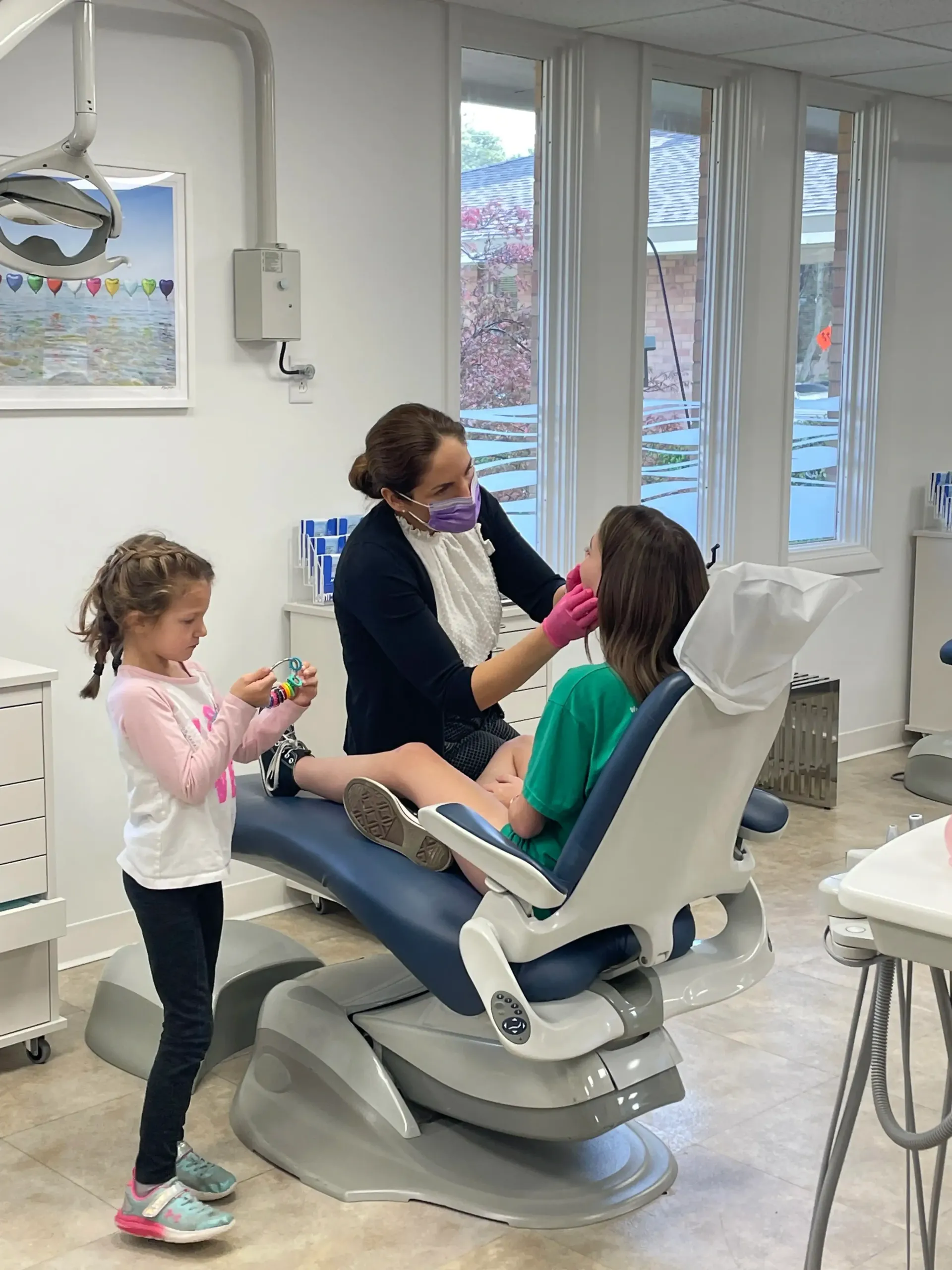
Parents sometimes make the mistake of promising that "nothing will happen" or that a visit will be over in a few minutes. Children tend to respond better when expectations are realistic and age-appropriate.
For younger children, it can help to frame the appointment as a chance for the dentist to count their teeth, take pictures, or make sure their smile is growing properly.
If you live in Virginia Beach, choosing a family-focused dental or orthodontic practice can also make a difference. Offices that regularly work with children often create a more relaxed and welcoming environment for first-time patients.
How do I choose a pediatric orthodontist?
Finding the right orthodontist is about more than credentials. You want someone who communicates clearly, makes your child feel comfortable, and helps your family feel confident about treatment decisions.
As you evaluate options, consider:
- Experience working with children and teenagers
- A welcoming office environment
- Clear explanations of treatment recommendations
- Transparent discussion of costs and financing
- Positive patient and parent reviews
- Flexible scheduling options
During your consultation, pay attention to how the orthodontist interacts with your child. A good pediatric orthodontist speaks directly to young patients, answers questions patiently, and creates an atmosphere where children feel involved rather than intimidated.
You may also want to ask:
- Is treatment needed now or later?
- What are the available treatment options?
- How long is treatment expected to take?
- What responsibilities will my child have during treatment?
- How will progress be monitored?
The best orthodontic relationship is built on trust. Parents should leave a consultation feeling informed, comfortable, and free to make decisions without pressure.
A great pediatric orthodontist does more than straighten teeth. They become a partner in helping your child build a healthy, confident smile that lasts well beyond childhood.
FAQs
Do kids get braces for free?
In most cases, braces are not free. Orthodontic treatment is typically paid for through dental insurance, payment plans, or out-of-pocket financing.
Some insurance plans provide orthodontic benefits for children, which can significantly reduce the overall cost. Eligibility and coverage vary by provider and policy.
If cost is a concern, many orthodontic offices offer flexible financing options that allow families to spread payments over time.
What is the rule of 5 in orthodontics?
The "rule of 5" is a guideline some orthodontists use when evaluating developing crowding in children.
It generally refers to assessing whether there is enough space for permanent teeth to erupt properly. Measurements of available space versus expected tooth size help orthodontists determine whether crowding is likely to become a problem.
While the rule can be a useful screening tool, treatment recommendations are never based on a single measurement. Orthodontists also consider jaw growth, bite development, facial structure, and overall dental health.
Can a 20-year-old go to a pediatric dentist?
Many pediatric dentists continue seeing established patients into their late teens or early twenties, especially if they have been treating them for years.
However, policies vary by practice. Some transition patients to a general dentist once they reach adulthood.
Orthodontic treatment is different. Orthodontists routinely treat adults, so a 20-year-old can absolutely receive orthodontic care if braces or aligners are needed.
Can a pediatric orthodontist help prevent more serious dental problems later in life?
Yes. One of the primary goals of early orthodontic evaluation is identifying concerns before they become more difficult to correct.
Early intervention may help:
- Guide jaw development
- Correct certain bite problems
- Create space for incoming permanent teeth
- Reduce excessive tooth wear
- Lower the risk of impacted teeth
Not every child benefits from early treatment, but identifying potential concerns early often provides more options for managing them effectively.
Is early orthodontic treatment always necessary?
No. Many children who visit an orthodontist at age 7 or 8 do not need treatment right away.
In some cases, the best recommendation is simply to monitor growth and development.
Orthodontists look for specific issues that may benefit from early intervention. If those concerns are not present, treatment is often delayed until more permanent teeth have erupted.
Parents are sometimes surprised to learn that an orthodontic evaluation does not automatically lead to braces.
What is the difference between monitoring and active orthodontic treatment?
Monitoring means the orthodontist is tracking your child's development without using braces or appliances.
During monitoring visits, the orthodontist evaluates:
- Tooth eruption patterns
- Jaw growth
- Bite development
- Changes in spacing or crowding
Active treatment involves taking steps to correct a specific issue. This may include:
- Braces
- Clear aligners
- Expanders
- Space maintainers
- Other orthodontic appliances
Many children spend time in a monitoring phase before active treatment becomes necessary.
How do orthodontists determine whether a child needs braces?
Orthodontists evaluate much more than crooked teeth when deciding whether braces are appropriate.
They assess factors such as:
- Tooth crowding
- Spacing issues
- Bite alignment
- Jaw growth patterns
- Facial development
- Eruption of permanent teeth
Digital imaging, photographs, and clinical exams help create a complete picture of your child's orthodontic needs.
Sometimes the recommendation is immediate treatment. Other times, the orthodontist may recommend periodic checkups until growth reaches the right stage for braces.
The timing of treatment can be just as important as the treatment itself, which is why orthodontists carefully evaluate both the current condition and how a child's smile is expected to develop over time.
Can thumb sucking affect a child's teeth and jaw development?
Yes. While thumb sucking is a normal self-soothing habit during infancy and early childhood, prolonged thumb sucking can influence how the teeth and jaws develop.
When the habit continues beyond the toddler years, it may contribute to:
- An open bite, where the front teeth do not touch when the mouth closes
- Increased overjet (commonly called protruding front teeth)
- Changes in jaw growth
- Crossbites
The impact depends on how often, how long, and how intensely the habit occurs. Some children experience little to no long-term effects, while others develop orthodontic concerns that require treatment.
How does mouth breathing impact orthodontic health in children?
Mouth breathing may seem harmless, but when it becomes a long-term habit, it can affect facial growth and dental development.
Children who primarily breathe through their mouths may be more likely to experience:
- Narrow dental arches
- Crowded teeth
- Bite problems
- Changes in facial growth patterns
Mouth breathing can also be associated with enlarged tonsils, allergies, or other airway concerns. Because several factors can contribute to this habit, orthodontists often work alongside pediatricians, ENTs, and dentists when evaluating a child's development.
Are clear aligners a good option for children?
Sometimes.
Clear aligners can be an excellent option for certain children and teenagers, but they are not the right choice for every orthodontic case.
Success with aligners depends heavily on responsibility. Since they are removable, children must consistently wear them for the recommended number of hours each day.
Clear aligners may offer benefits such as:
- A less noticeable appearance
- Easier brushing and flossing
- Fewer food restrictions compared to traditional braces
An orthodontist can determine whether aligners are appropriate based on your child's age, maturity level, and orthodontic needs.
Can orthodontic treatment improve speech or chewing difficulties?
In some cases, yes.
Certain bite problems and jaw alignment issues can contribute to difficulties with chewing, biting, or pronouncing specific sounds.
When these concerns are linked to the position of the teeth or jaws, orthodontic treatment may help improve function by creating better alignment.
Not every speech issue is orthodontic in nature, which is why a comprehensive evaluation is important. Some children may also benefit from working with speech therapists or other specialists as part of a broader treatment plan.
What happens if orthodontic issues are left untreated during childhood?
The answer depends on the specific issue.
Some mild concerns remain stable and never require treatment. Others become more significant as a child grows.
Untreated orthodontic problems may contribute to:
- Increased crowding
- More complex bite problems
- Uneven tooth wear
- Difficulty cleaning certain teeth effectively
- Greater treatment complexity later in life
This does not mean every child needs early intervention. It simply highlights the value of identifying potential concerns while there is still flexibility in growth and development.
What should parents expect during a child's first orthodontic consultation?
A first orthodontic visit is usually much simpler than parents expect.
In most cases, the appointment includes:
- A discussion about your concerns and goals
- A clinical examination
- Digital photographs and imaging, if needed
- Evaluation of tooth eruption and jaw growth
- A treatment recommendation or monitoring plan
Many children leave their first consultation without braces, appliances, or immediate treatment plans.
Often, the visit serves as a roadmap for future care and gives parents a clearer understanding of how their child's smile is developing.
What questions should parents ask during an orthodontic consultation?
A consultation is an opportunity to gather information and understand all available options.
Helpful questions may include:
- Does my child need treatment now or later?
- What happens if we wait?
- What treatment options are available?
- How long might treatment take?
- What results are you hoping to achieve?
- Will my child need braces, aligners, or another appliance?
- How often will appointments be scheduled?
- What costs should we expect?
The best consultations feel collaborative. Parents should leave with a clear understanding of their child's orthodontic needs and enough information to make confident decisions without feeling rushed or pressured.
Help Your Child Build a Healthy, Confident Smile
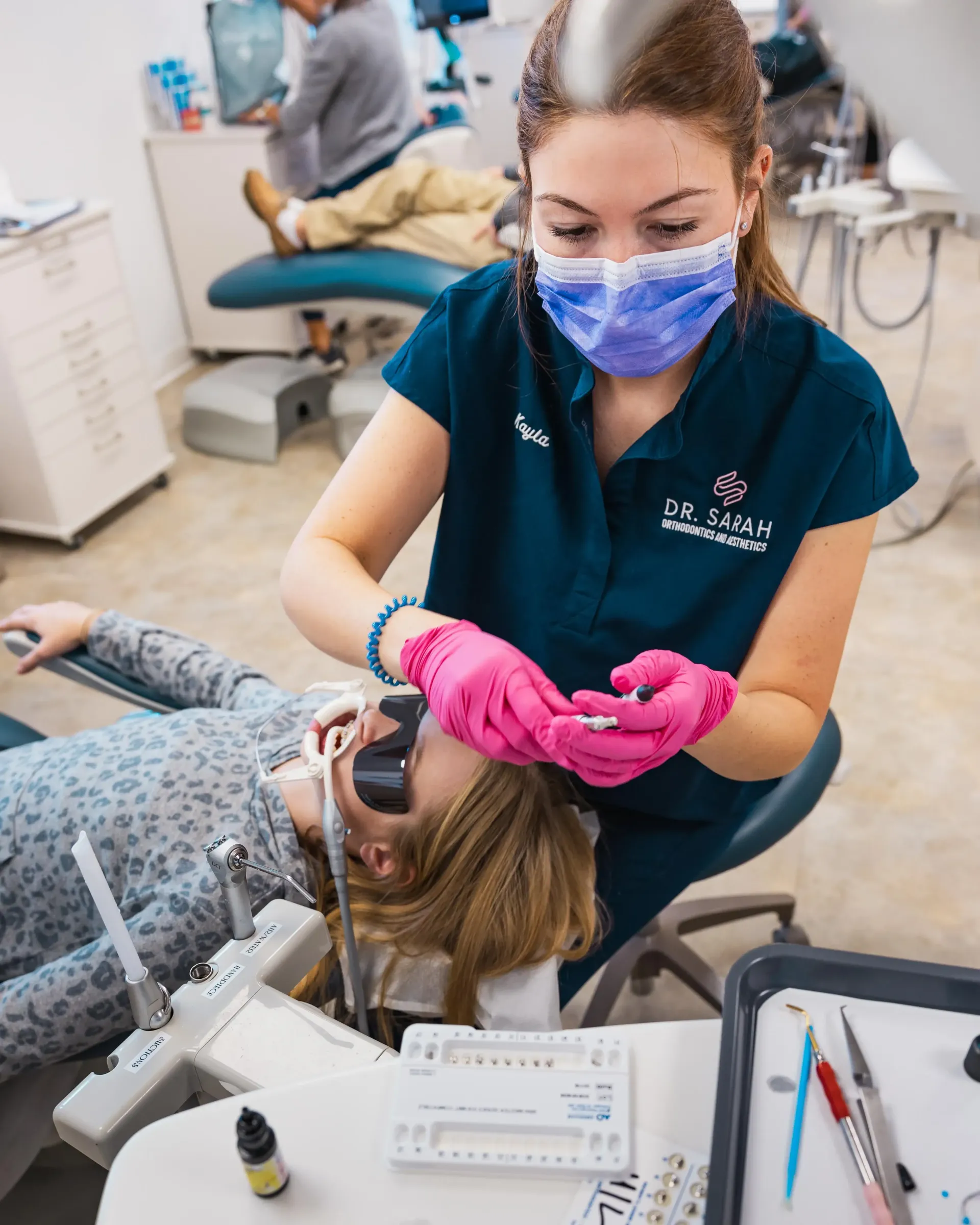
Every child's smile develops differently. While some orthodontic concerns resolve naturally as permanent teeth come in, others benefit from early evaluation, careful monitoring, or timely treatment. Understanding the difference is one of the most valuable ways parents can support their child's long-term oral health.
In this guide, we explored what a pediatric orthodontist does, how orthodontic care differs from pediatric dentistry, and why early evaluations can help identify potential concerns before they become more complicated. We also discussed the best age for orthodontic visits, when braces may be recommended, and how factors such as thumb sucking, mouth breathing, and jaw development can influence a child's smile.
Just as importantly, we answered many of the questions parents commonly have about braces, clear aligners, treatment timing, and what to expect during an orthodontic consultation. Whether treatment begins now, later, or not at all, having the right information helps families make confident decisions.
If you live in Virginia Beach or the surrounding area, a professional orthodontic evaluation can provide valuable insight into your child's growth and development—even if treatment is not currently needed.
Ready to learn more about your child's orthodontic needs? Schedule a complimentary consultation and receive personalized recommendations from an experienced team focused on helping children build healthy, confident smiles. Schedule your free consultation!
The earlier you understand how your child's smile is developing, the more opportunities you'll have to support healthy growth, comfortable function, and lasting confidence.